Maintenance
How Seattle weather and Cascadia quakes shape connectivity backup
Broadband voice connectivity in Seattle needs backup power, diverse fiber routes and voice failover tuned to Cascadia quake risk and wet winters.
What to take away
- Broadband voice connectivity in Seattle needs a plan for wet winters and a Cascadia quake, not just a fast circuit.
- Above-ground and aerial plant fails in wind and ice; underground fiber survives most storms but not a regional quake.
- Diverse fiber routes mean two paths that do not share a conduit, a pole line or a central office.
- Size backup power by load and runtimea small UPS for the modem and phone, a generator for multi-day outages.
- Voice failover settings decide whether calls reach a person or a voicemail box when the primary circuit drops.
- Test failover on a schedule with a written checklist, not once at install.
What Seattle weather does to above-ground and aerial plant
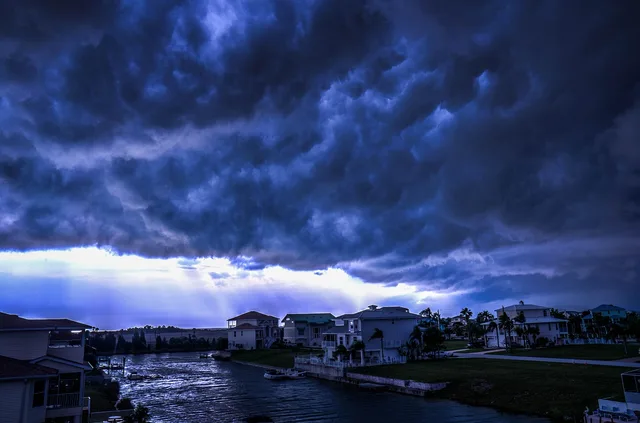
Seattle's wet season runs from October into spring. Windstorms knock limbs onto aerial coax and fiber. Ice loading adds weight that poles were not sized for. The Weather | National Oceanic and Atmospheric Administration outlook is the first place to check when a storm is forecast.
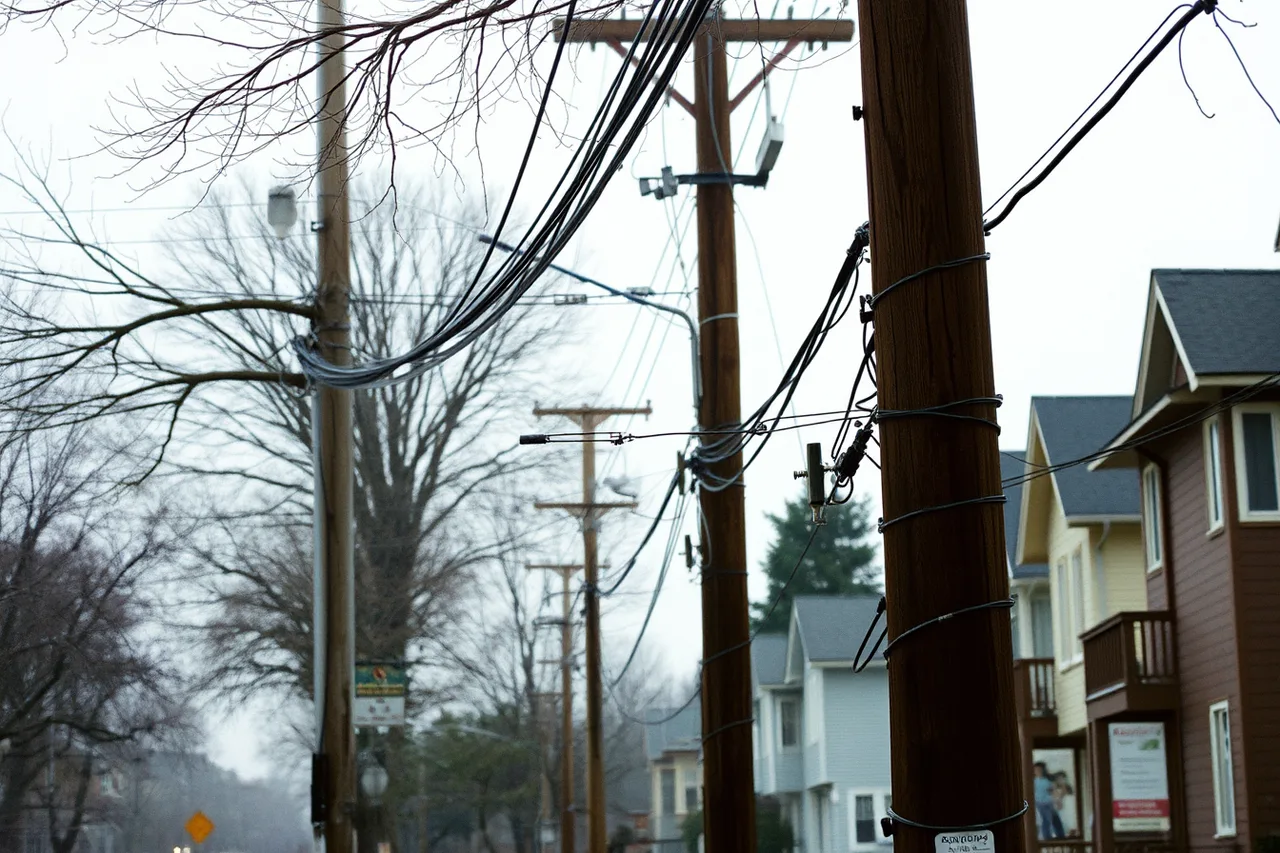
NOAA tracks the systems that drive these events across the Pacific Northwest, and the same weather that floods low ground also stresses the plant that carries your calls.
Aerial plant is cheap to build and quick to repair, but it is exposed. A single tree can take out a span that serves a whole block. Underground plant avoids wind and ice, yet water intrusion into vaults and pedestals causes its own faults. Seattle's hills and wet soil make both designs common in the same neighborhood.
The practical point for a small business is simple. Ask your provider where your service enters the building and whether that path is aerial or buried. A buried path is not immune, but it fails differently and usually less often in winter storms.
Storm outages are short, often hours. The business cost is not the circuit repair, it is the missed call and the card payment that will not clear. That is why the backup plan matters more than the speed tier.
Cascadia quake risk and why diverse fiber routes matter
The Cascadia subduction zone sits off the Pacific coast. A major rupture would shake Seattle and damage bridges, roads and utility corridors. A single fiber route that crosses a vulnerable bridge or follows one rail line is a single point of failure for the whole region.
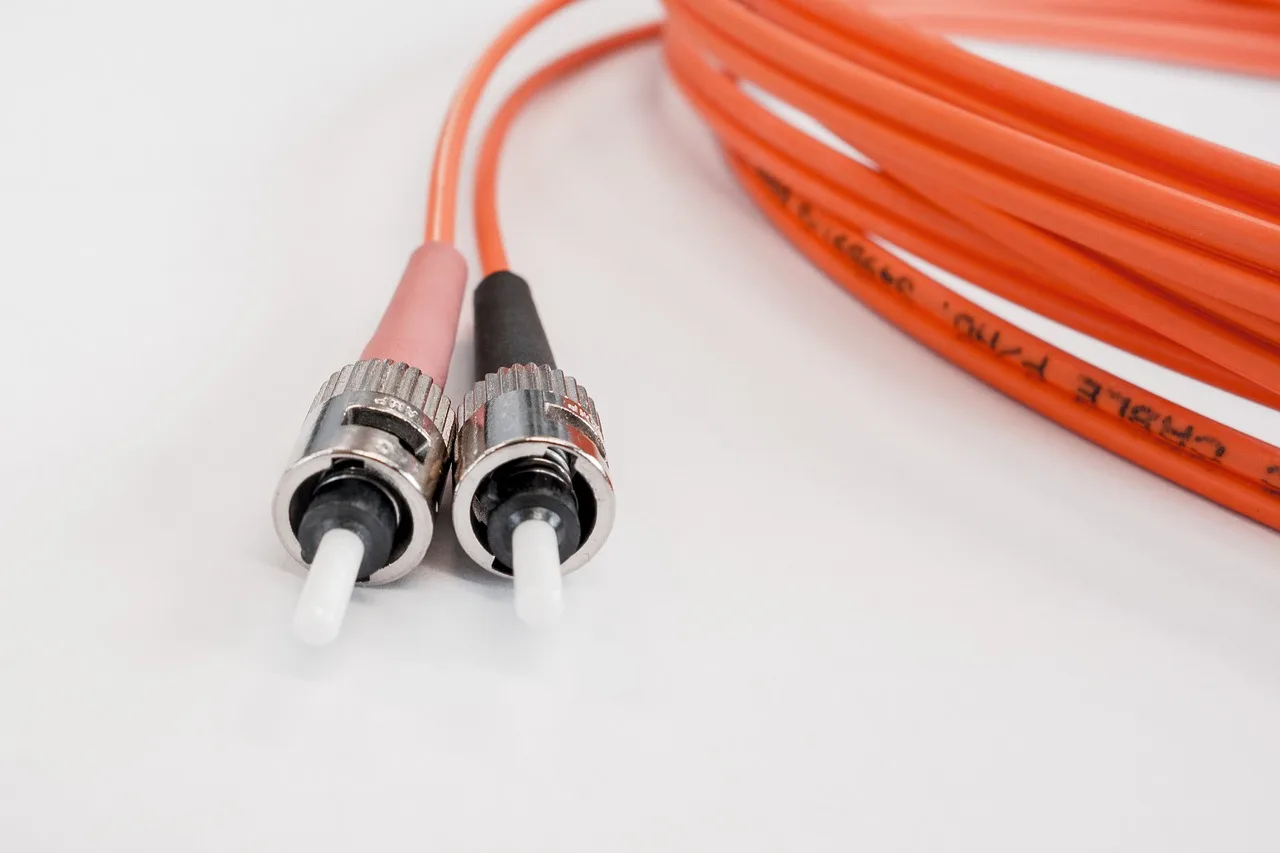
Diverse fiber routes mean two paths that do not share a conduit, a pole line, a bridge or a central office. True diversity is physical, not just two contracts with two carriers that lease the same conduit. Ask for the route map and the entry point for each circuit.
NIST publishes resilience material that frames continuity planning for disasters, including the infrastructure that carries communications. The Resilience | NIST guidance is a useful starting point for a small business that wants a written plan rather than a verbal promise.
NIST also treats infrastructure as a system with dependencies, which is how a quake turns a fiber cut into a power, fuel and staffing problem at the same time. The Infrastructure | NIST material helps you map those dependencies before an event.
For a small office, diversity can be as simple as one fiber circuit and one fixed wireless circuit. Fixed wireless depends on line of sight to a tower, so it can survive a fiber cut and fail when a tower loses power. The unit on your building is the part that decides whether the link holds.
Backup power sizing for a small office: UPS, generator, runtime
Backup power keeps the modem, router, phone switch and a few workstations alive. Size it by load, not by habit. Add up the watts of the devices that must stay up, then decide how long they must run.
A UPS covers seconds to minutes. It bridges the gap until a generator starts or until the utility returns. A generator covers hours to days, but only if it has fuel and a transfer switch that isolates your building from the grid.
Runtime sizing follows a simple formula. Watts times hours equals watt hours. A 100 watt load for 8 hours needs 800 watt hours, plus margin for inverter losses and battery aging. Double the estimate for a battery bank you plan to keep for years.
Backup power sizing
- List every device that must stay poweredmodem, router, phone system, one switch, one access point, one workstation.
- Measure or read the watt rating on each device label and add them up.
- Decide the runtime you need in hours, based on your longest expected outage.
- Multiply watts by hours to get watt hours, then add 30 to 50 percent margin.
- Choose a UPS for the bridge and a generator or larger battery for the long outage.
- Label every plug so anyone can restore power in the right order.
Power and network fail together in a quake. A generator needs fuel, and fuel needs a road. Keep at least a few days of fuel on site and a plan for who refuels it. The label what gets touched habit saves time when someone else has to bring the office back up.
Voice failover settings that keep calls answering
Voice failover decides where a call goes when the primary path fails. The settings live in your phone system, your carrier portal or both. If you never touch them, the default is usually voicemail, which is not a plan.
Start with the main number. Set it to ring the primary circuit, then a secondary circuit, then a mobile number, then voicemail. Each step needs a timeout short enough that the caller does not hang up. Ten to twenty seconds per step is a common starting point.
Emergency and after-hours routing should be separate. A call at 2 a.m. should reach a person who can act, not a general mailbox. Test the after-hours path as carefully as the business-hours path.
NIST's Cybersecurity Framework treats resilience as part of protecting the business, including the communications it depends on. The Cybersecurity Framework | NIST is a reasonable structure for a small firm that wants to document its failover rules.
Voice settings also touch security. Toll fraud and spoofed calls rise after outages, when staff are distracted. Review the 5g business internet comparison for your phone system before you change routing, so the failover path does not become the weak point.
Carrier options in the Seattle metro for redundancy
Seattle has several carriers with metro fiber and business voice. Availability depends on the building, so the list below is a starting point, not a guarantee. Confirm the route and the entry point for each circuit before you sign.
Carrier options in Seattle
Network type
- Lumen (CenturyLink)
- Metro fiber, Ethernet, voice
- Comcast Business
- Coax and fiber, voice
- Ziply Fiber
- Fiber, voice
- T-Mobile and Verizon
- Fixed wireless and 5G
- Local CLECs and WISPs
- Fiber and fixed wireless
Typical small business fit
- Lumen (CenturyLink)
- Established fiber footprint across the metro
- Comcast Business
- Broad coverage, quick installs
- Ziply Fiber
- Growing footprint in the region
- T-Mobile and Verizon
- Fast backup path, no trenching
- Local CLECs and WISPs
- Building-specific options
A second carrier only helps if the route is different. Two circuits that share a conduit fail together. Ask each provider for the physical path and the central office that serves your address.
For buildings that cable does not reach, fixed wireless is often the only fast option. reaching a building no cable serves covers how those links are built and what they need from the roof or window.
NOAA's ocean and coasts program tracks the coastal and climate conditions that affect the region, from sea level to storm surge. The Ocean & Coasts | National Oceanic and Atmospheric Administration context matters for low-lying parts of the metro and for the long-term risk to buried plant.
Testing failover on a schedule, not once
Failover that is never tested is a guess. Schedule a test each quarter and after any major change to the network or phone system. Write down what you expect and what actually happened.
- Unplug the primary circuit and confirm the secondary circuit carries calls.
- Confirm the main number reaches a person within the timeout you set.
- Test after-hours routing to the on-call mobile number.
- Run the UPS on battery and note the actual runtime.
- Start the generator under load and check fuel level.
- Verify the phone system logs show the failover event.
- Update the contact list and the written procedure.
Keep the results in one place. A short log of test dates, outcomes and fixes turns a vague promise into evidence you can show a customer or an insurer.
Security belongs in the same test. A failover path that bypasses your normal filtering is a risk, which is why fiber internet security should be reviewed alongside the routing rules.
Seattle's tech-heavy small business scene runs on cloud voice and cloud data. That makes the network the business. A quake, a windstorm or a backhoe can take the primary path, and the backup plan decides whether the day is a disruption or a closure.
Common questions
How long should backup power last for a small Seattle office?
Size for at least 8 hours of the critical load, and longer if you can store fuel. A UPS bridges the gap to a generator, and a generator covers multi-day outages after a quake.
What counts as a diverse fiber route?
Two paths that do not share a conduit, a pole line, a bridge or a central office. Ask each carrier for the physical route and the entry point before you buy.
Which Seattle carriers can provide a second path?
Lumen, Comcast Business, Ziply Fiber and the mobile carriers all sell business service in the metro, with availability varying by building. Confirm the route, not just the name.
Where do I change voice failover settings?
In your phone system, your carrier portal or both. Set the main number to ring the primary circuit, then the secondary, then a mobile, then voicemail.
How often should I test failover?
Quarterly, and after any change to the network or phone system. Log the result and fix what failed before the next test.
Does a Cascadia quake change what I buy?
It raises the value of diverse routes, on-site fuel and a tested plan. No single carrier can promise service through a major regional event.